
A dance battle puts the performer and the floor at the centre of the experience. The audience watches from around the performance area, while each round introduces its own participants, category and time limit. The Floor Throne 2026, identified as Vol. 11 in the portfolio, is a useful example of a visual environment built around that format.
Dalam dance battle, performer dan lantai menjadi pusat pengalaman. Penonton menyaksikan dari sekeliling area performa, sementara setiap ronde membawa peserta, kategori, dan batas waktu tersendiri. The Floor Throne 2026, yang ditampilkan sebagai Vol. 11 dalam portfolio, menjadi contoh lingkungan visual yang mengikuti format acara tersebut.
Make battle information readableBuat informasi battle terbaca
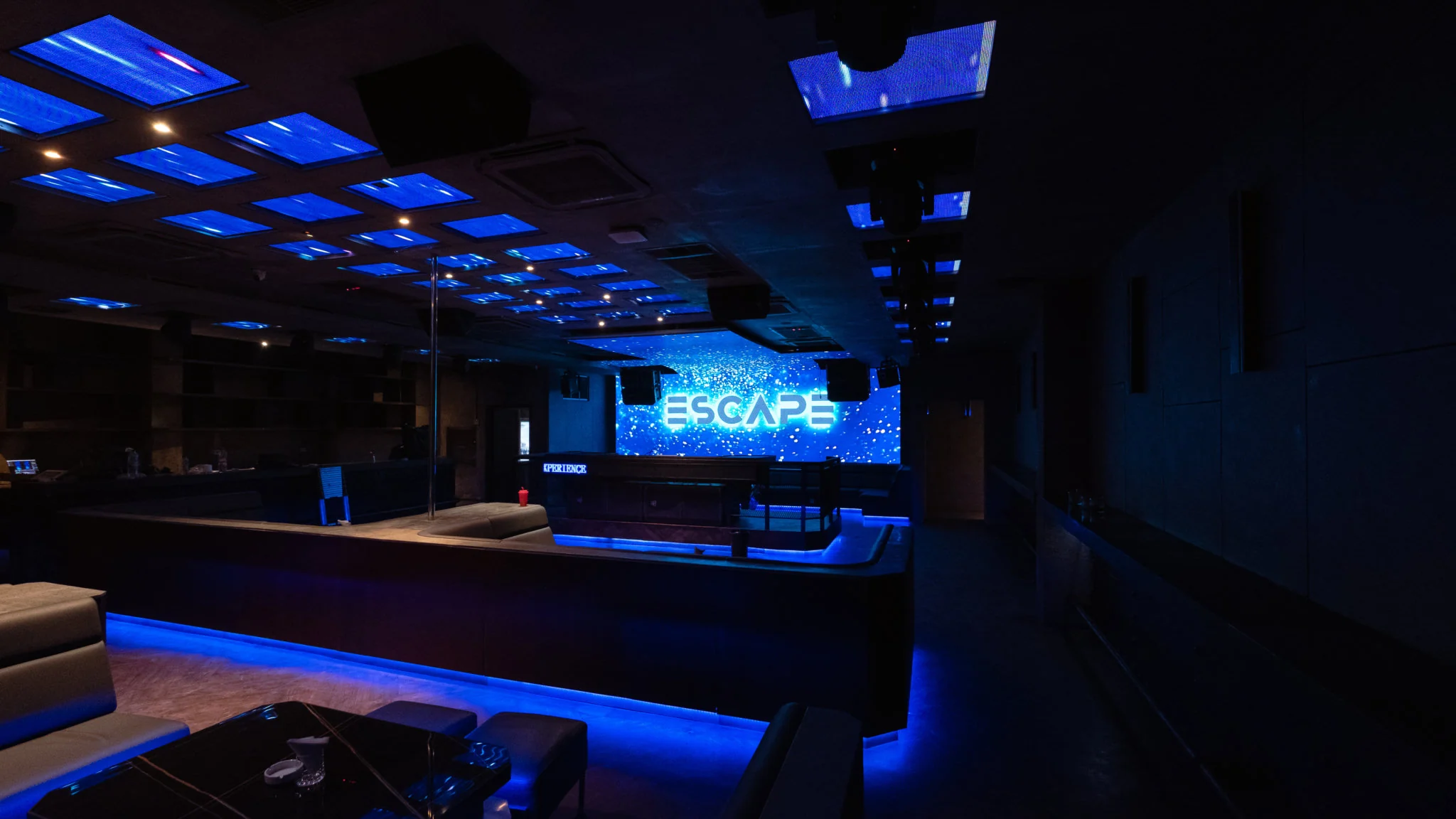
The documentation shows a central LED wall, side screens and an overhead LED display within a truss-supported stage structure. Together, those surfaces establish the event identity and carry battle information. Their value extends beyond decoration: categories, matchups and countdowns help the audience follow what is happening on the floor.
Dokumentasinya memperlihatkan LED wall utama, layar samping, dan LED display di bagian atas dalam struktur panggung berbasis truss. Permukaan-permukaan itu membangun identitas event sekaligus membawa informasi battle. Fungsinya melampaui dekorasi: kategori, matchup, dan countdown membantu penonton mengikuti kejadian di lantai.
That combination suggests a practical design principle for event teams: decide which information needs to be visible before developing the visual content. A battle identity, a participant matchup and a timer have different reading priorities. Giving that hierarchy space in the composition makes it easier for the stage visuals to support the flow of the event.
Dari susunan itu, tim event dapat mengambil prinsip praktis: tentukan informasi yang perlu terlihat sebelum mengembangkan konten visual. Identitas battle, pasangan peserta, dan timer memiliki prioritas baca yang berbeda. Memberi ruang bagi hierarki tersebut dalam komposisi membantu visual panggung mendukung alur acara.
Lighting and audience viewpointsLighting dan sudut pandang penonton
Blue and magenta lighting frame the performance area in the portfolio photographs. The palette gives the stage a recognisable atmosphere while keeping the floor as the main point of attention. For an event of this kind, lighting and screen content need to be considered together, because the performer, the surrounding audience and the bright LED surfaces share the same field of view.
Lighting biru dan magenta membingkai area performa dalam foto portfolio. Palet tersebut memberi atmosfer yang mudah dikenali sambil mempertahankan lantai sebagai pusat perhatian. Untuk format seperti ini, lighting dan konten layar perlu dipertimbangkan bersama karena performer, penonton di sekitarnya, dan permukaan LED berada dalam satu bidang pandang.
The audience surrounding the floor is another defining feature of the documentation. This makes the venue experience broader than a single view towards a conventional stage. When planning a similar event, review sightlines from the audience positions around the performance area as well as the main camera position. Those viewpoints help guide the balance between information, atmosphere and action.
Penonton yang mengelilingi lantai menjadi ciri lain dalam dokumentasi. Pengalaman venue pun mencakup lebih banyak arah pandang dibanding susunan panggung konvensional. Saat merencanakan acara serupa, tinjau visibilitas dari posisi penonton di sekitar area performa serta posisi kamera utama. Sudut-sudut itu membantu menentukan keseimbangan informasi, atmosfer, dan aksi.
Identity beyond the screenIdentitas di luar layar
Graffiti-inspired details extend the event identity into the venue environment. The gallery includes branded surfaces and colourful installations as well as performance photographs. These details provide continuity between the stage and the surrounding space, showing how event branding can become part of the setting rather than appearing only on a screen.
Detail bernuansa graffiti memperluas identitas event ke lingkungan venue. Galeri memperlihatkan permukaan berbranding dan instalasi warna-warni, bersama foto-foto performance. Detail tersebut menghubungkan panggung dengan ruang di sekitarnya, sehingga branding acara menjadi bagian dari setting yang dialami pengunjung.
The project brings the stage LED environment, lighting atmosphere and dance battle presentation into a shared event setting. For teams planning this kind of production, the useful connection is between the competition format and the visual design. Match information, performance space and event branding each have a role, and the stage composition needs to make those roles easy to understand.
Proyek ini menghubungkan lingkungan LED panggung, atmosfer lighting, dan presentasi dance battle dalam setting event yang sama. Bagi tim produksi, hubungan yang perlu dibangun adalah antara format kompetisi dan desain visual. Informasi pertandingan, ruang performa, dan branding acara memiliki peran masing-masing; komposisi panggung membantu peran-peran tersebut dipahami dengan mudah.
Build around the performanceBangun visual di sekitar performance
For a future dance battle, begin with the floor layout, audience positions and the information each round requires. Build the visual hierarchy around the performance, then connect the lighting palette and venue details to the same event identity. The fourteen-photo Floor Throne 2026 gallery provides the reference: a strong stage environment gives the action a clear frame and helps the audience stay with it.
Untuk dance battle berikutnya, mulailah dari tata lantai, posisi penonton, dan informasi yang dibutuhkan setiap ronde. Susun hierarki visual di sekitar performance, lalu hubungkan palet lighting serta detail venue dengan identitas event yang sama. Galeri empat belas foto The Floor Throne 2026 memberi referensinya: lingkungan panggung yang kuat membingkai aksi dengan jelas dan membantu penonton terus mengikuti acara.